History and Economy

In the early 19th century, the British Empire established a protectorate over the states of the Persian Gulf, monopolizing production and trade in the region. At that time, the local population was engaged in pearl diving, which they sold to the British, and the economy was based on subsistence farming.

The situation changed in the mid-20th century with the discovery of oil. This resource attracted foreign capital, significantly increasing the wealth of the region and strengthening the influence of local rulers. In 1971, the UAE gained independence, and with the rise in oil prices, the country began to rapidly develop.

Today, the UAE is one of the wealthiest countries in the world, with an economy dominated by knowledge-intensive industries and services. The historically established formula of development through foreign capital has turned the country into a global economic center with a multicultural population.

Population and Culture

The UAE is home to a multitude of nationalities. The native Emiratis make up only 10% of the population, while 60% are immigrants from Southeast Asia. Around 90% of the workforce consists of first-generation immigrants, attracted by the high standard of living and technological progress.

Despite globalization, the UAE maintains its Muslim traditions. The country has a dry law, meaning alcohol can only be purchased in foreign clubs and bars, and women are required to wear modest clothing. Swimwear is only allowed on private beaches and at pools.

The Emirates: United, but Not Unified

The UAE is a federation of independent emirates. The influence of each emir's sheikh depends on the presence of oil reserves. The president of the council of sheikhs is the Emir of Abu Dhabi, while the Prime Minister is the Emir of Dubai. The entry and visa issuance processes may vary depending on the emirate, but Dubai remains the most sought-after destination for migration.

Labor Market in the UAE

Since the pandemic, the UAE's economy has been recovering rapidly. According to a GulfTalent study, 76% of companies in the country plan to increase their workforce. The main sectors of active hiring in 2022 included:

  • HR: 29.6%
  • Hospitality: 29.1%
  • Banking and Finance: 28.3%
  • Innovation (Cybersecurity, Digital Technologies): 13%

Visa Conditions

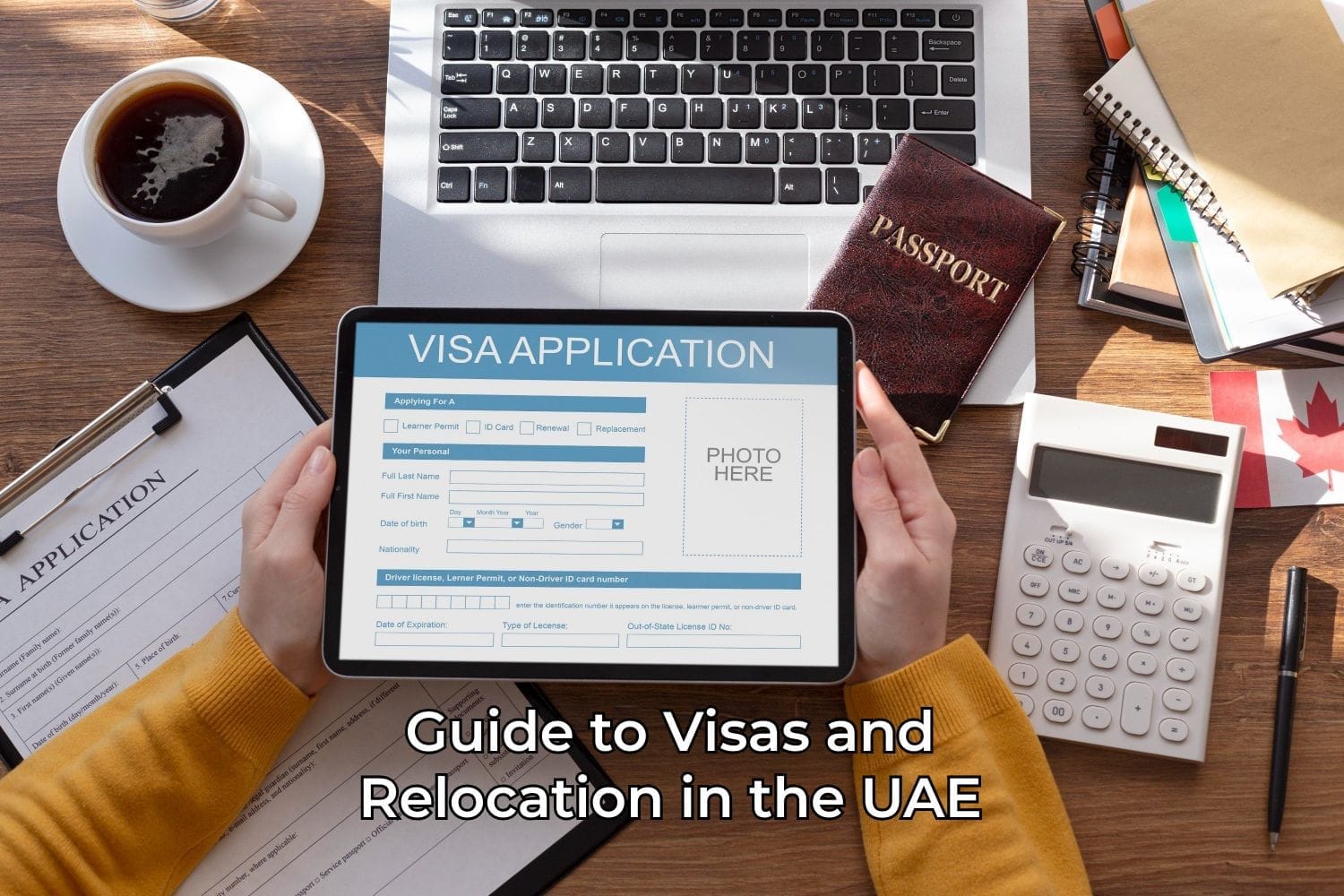
For citizens of Russia and CIS countries, a visa is not required to enter the UAE. A valid passport (with at least 6 months validity) is sufficient. Upon arrival at the airport, visitors can obtain a 90-day visa for free.

Main Types of Visas:

  • Work Visa (1–3 years, depending on the contract, can be renewed through the Ministry of Labor)
  • Entrepreneur Visa (Trade Licence – similar to a sole proprietorship, allows hiring employees and paying salaries)
  • Student Visa (valid for 1 year with the possibility of extension; outstanding students may receive a 5-year visa)
  • Remote Work Visa (for employees of UAE-based companies working abroad, salary from USD 5,000 per month)
  • Medical Visa (for treatment in the UAE)
  • Visa for Divorced Women and Widows (allows staying in the country for 1 year with one possible extension)
  • Cultural Visas:
    • Creative Visa (for workers in arts, design, media in Abu Dhabi)
    • Cultural Visa (for Dubai residents working in the creative industry, issued for 10 years)

This post is for subscribers only

Sign up now to read the post and get access to the full library of posts for subscribers only.

Sign up now Already have an account? Sign in